When God disappoints perfectionists
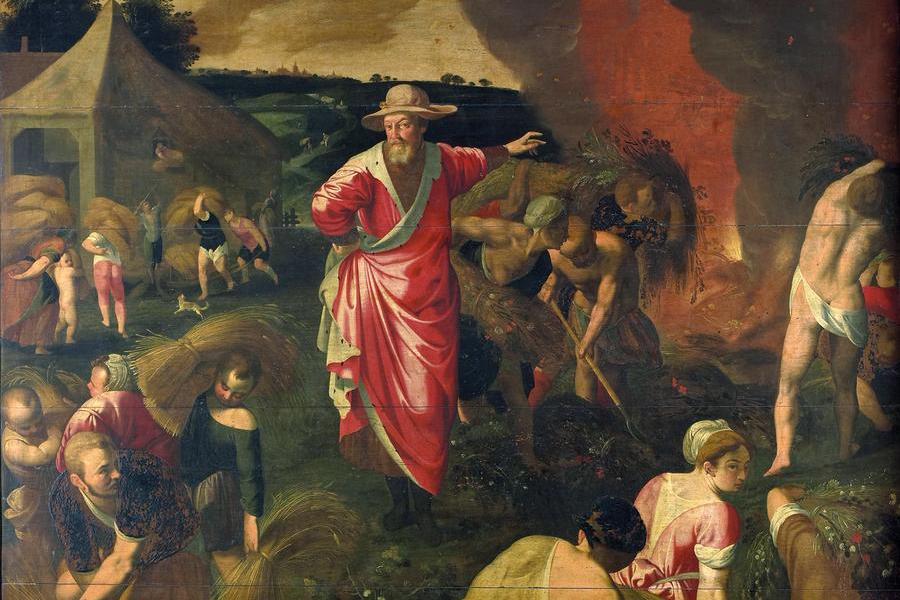
The second parable that Jesus proposes in chapter 13 of Matthew is that of wheat and taresone of the best known and most significant of the Gospel. This too, like the parable of the sower, should not be read simply as an agricultural tale, but as a key to understanding the mystery of the Kingdom of God and the way in which it is realized in history. A man sows good wheat in his field, but during the night an enemy spreads weeds there. When the plants grow, the servants notice the problem and propose to intervene immediately. The master, however, surprises everyone: he forbids tearing up the weeds, because in an attempt to eliminate them one would risk uprooting the wheat too. We need to wait the time of the harvest.
The parable arises from a question that accompanies every generation: if God is at work in the world, why does evil continue to exist? Jesus does not offer a theoretical explanation of the problem, but invites us to look at reality with the eyes of God. Evil is there, it is present and should not be ignored; however, God does not act with the haste of men. His patience leaves a space open to conversion, to growth, to change. In this sense the Gospel connects very well to the first reading taken from the book of Wisdom (12,13.16-19). The sacred author states that God, despite being the Lord of everything, governs the world with meekness and gives sinners the opportunity to convert. God’s true strength does not consist in immediate punishment, but in mercy. His justice is neither impatient nor vindictive: it is a justice that knows how to wait.
The risk, however, is that of immediately wanting to divide the good from the bad, the just from the unjust. Jesus warns against this very temptation. Men do not possess such clear eyes as to be able to perfectly distinguish the wheat from the weeds. Only God truly knows the hearts of people and only he can make the final judgement. To complete the teaching on the Kingdom, Matthew combines those with this parable of the mustard seed and the yeast. In both cases the focus is on the disproportion between the beginning and the final result. A tiny seed grows into a large shrub; a small amount of yeast transforms the whole dough. This is how the Kingdom of God is: it often appears fragile, marginal, almost invisible, and yet it possesses an inner strength capable of transforming the world. Then when Jesus remains alone with the disciples, he offers them the explanation of the parable. The sower is the Son of man, the field is the world, the good seed represents the children of the Kingdom, while the weeds indicate those who oppose God’s plan. The harvest, finally, will be the final moment of history, when the Lord will fully manifest the truth.
The message that emerges from these parables is profoundly consoling. God he didn’t abandon the field of the world, even when the presence of evil seems to prevail. The Kingdom grows silently, according to times that do not coincide with those of men. The disciples are asked not to give in either to discouragement or to the presumption of judgment, but to trust in God’s patiencewhich continues to operate in history with the discretion of the seed and the hidden strength of the yeast.