


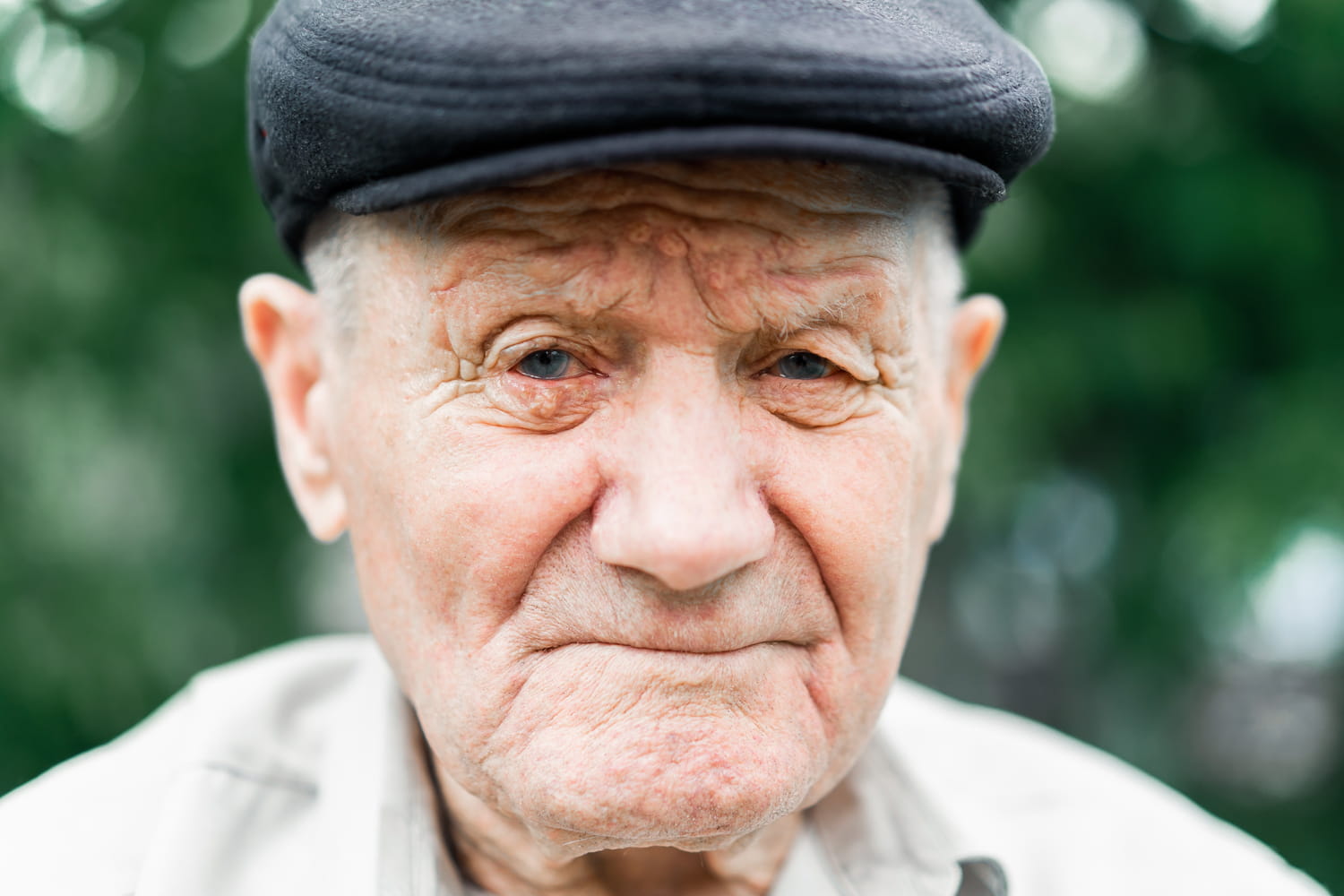
Behind this image often lies suffering. Psychologist Sandrine Paris deciphers this mechanism and provides her advice for aging well.
We meet them at the market, at the doctor’s office or at family gatherings: these elderly people with stern looks, ready to criticize, sigh or say scathingly “it was better before”. The “grumpy old man” is an archetype well anchored in the collective imagination. “A grumpy old man is not a person, he is a personality and that is not the majority of our elderly people”immediately corrects Sandrine Paris, psychologist of aging. But behind the irritability and the negative remarks hides a very real uneasiness. “The old curmudgeon is ultimately someone who suffers and whose suffering is visible.” So how do you avoid becoming this person as you get older? Our psychologist gives his advice.
To understand the grumpy old man, we must first remember that aging is accompanied by many upheavals. “It’s a lot of losses: social losses, identity losses, relational losses…” Faced with these transformations, some people struggle to find a new balance. The grumpy old man is precisely the one who can’t do it. It is “a person who is much more irritable, who will be judgmental, who will be in what we call “aggressive nostalgia”, with a form of generational contempt.” The psychologist insists: “It’s not a flaw, it’s really a defense mechanism.” And when this mechanism takes hold, it can go so far as to lead to depression. It can be spotted when the elderly person “has stopped activities to no longer confront others, has withdrawn into herself, sleeps poorly, eats less well…”
The good news is that this spiral can be prevented. Sandrine Paris recommends above all to “stay moving, continue learning, continue creating connections, accept no longer being the same as before without devaluing yourself”. Indeed, the problem often lies in “loss of self-esteem in aging”. The issue is therefore not so much about refusing one’s age, as about feeling capable of negotiating with change. Concretely, the specialist encourages “continue to feel useful”. This can involve volunteering, looking after your grandchildren or passing on know-how. “This feeling of purpose will protect your mental health.”
And when you are around someone who is already in this bitterness? Our expert calls for kindness rather than confrontation. “The idea is precisely not to be judgmental. The person is already doing a lot of harm to themselves, so don’t add to it.” Better “Invite him out and try to get him to meet people”because “the quality of social connections is fundamental in the prevention of depression”. If you have serious doubts about the state of your mental health, it is important to encourage the person to at least discuss it with their doctor. Finally, let us remember that “It’s not age that makes you grumpy, it’s the difficulty in adapting to changes in oneself and in the world.”