



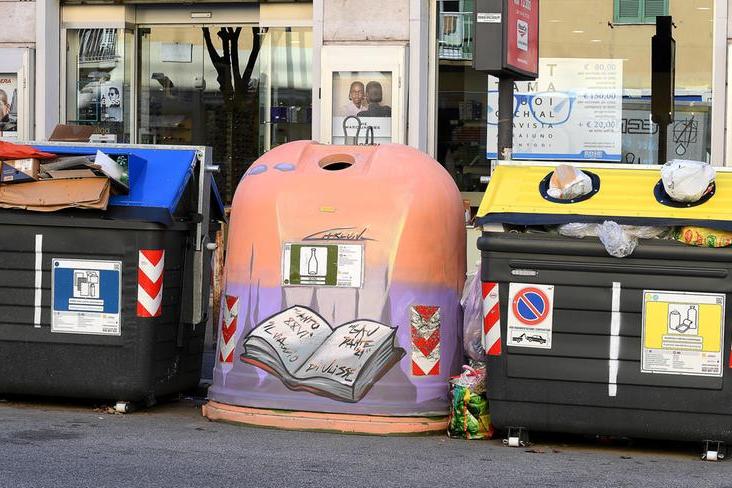
How many times, leaving a shop with the receipt in hand, have we asked ourselves “Where is this going?”. Or, with the finished milk carton: “Do I remove the cap?”. Italy is among the most virtuous European countries in separate waste collection and recycling of paper and cardboard: in fact, every year in our country an average of 3.7 million tonnes is collected and more than 90% of packaging is actually recycled. Top results, which however can still grow. What limits its full potential are above all some assignment errors that continue to occur in everyday life. «We can count on excellent numbers, but we must not be satisfied: even today unsuitable materials end up in the paper and cardboard container – he explains Roberto Di Molfettageneral manager of Comieco – For example, boxes are often not folded, and some paper packaging is thrown into other containers. These are widespread errors, the result of incorrect habits or beliefs, which reduce the quantity and quality of separate waste collection and, consequently, waste value.”
It is from here that the VI edition of Paper Week begins, the national week that Comieco promotes from 13 to 19 Aprilwith the aim of raising awareness of the plants and industrial companies in the paper and cardboard recycling chain and shining a spotlight on good habits. This year there are around 180 activities, all free, on the national territory (here is the complete calendar): workshops in which paper is transformed into masks, sets or three-dimensional landscapes; animated film shorts; workshops in which beverage cardboard becomes a matrix for art printing; inclusive initiatives that use paper as an aggregation tool; flash mobs in the square with the books as protagonists. The capital of the 2026 edition is Parmaa symbolic city of the Italian Food Valley and of Made in Italy agri-food. A territory in which excellence recognized throughout the world and paper and cardboard packaging are deeply linked: it is the packaging, in fact, that preserves and narrates these products, making them identifiable, protected and recognisable. Once opened, those packages enter a virtuous cycle that generates new raw material and value for the entire supply chain. During the week, the combination of food and paper packaging will be a recurring thread, addressed through meetings, initiatives and insights that will bring the territory, schools, citizens, communities and businesses into dialogue.