

To hear the word lockdown ghosts of a still painful past are evoked. Unlike the one imposed to deal with the pandemic emergency, this time we would not be closed at home to lower the number of infections, but the lives of all citizens would still undergo significant changes. Let’s talk about energy lockdown and in this case using the conditional is a must: there is no certainty that it will happen and that it will be a measure that we will use in our country.
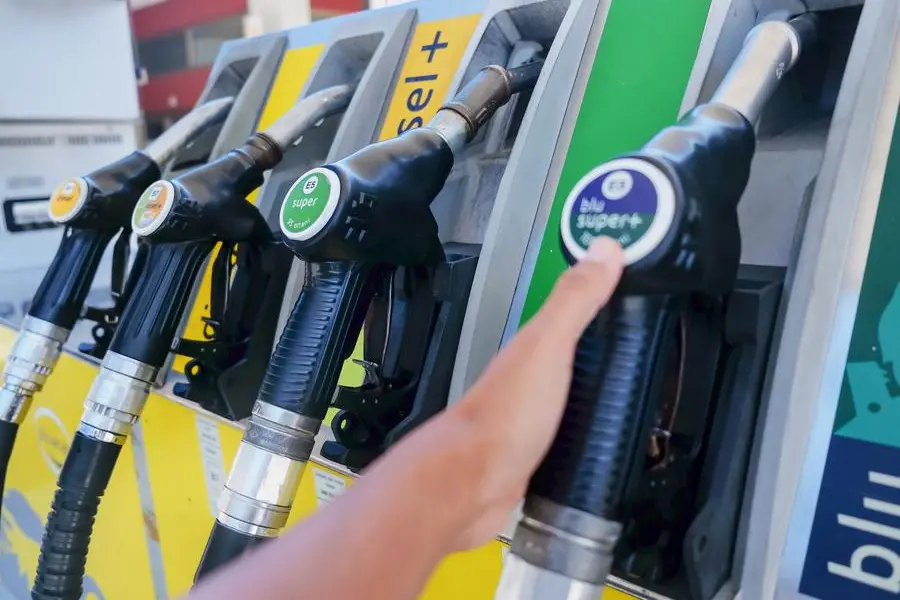
The reasons behind this eventuality are linked by an indissoluble thread to the geopolitical situation in Middle East, with the closure of the Strait of Hormuz which in this sense plays a fundamental role. In fact, around 20-30% of oil passes through here and global LNG (Liquefied Natural Gas). The domino effect caused by the conflict is already having a significant impact on society, just look at the prices displayed on the billboards of petrol and diesel stations.
Without gas arriving by ship, Italy must rely exclusively on gas pipelines (such as TAP or Transmed) and national reserves, which however have a limited autonomy of about a month and a half in the event of a total blockage.
To manage this precariousness, the Italian natural gas emergency plan is structured on three levels of increasing severity:
Pre-alarm. It is the phase linked to data monitoring, but without restrictions for citizens.
Alarm. Prices rise to discourage waste and energy-intensive industries are asked to voluntarily reduce their pace.
Emergency. When the market is no longer enough, the State intervenes with ad hoc measures: rationing, limits on heating and restrictions on mobility.
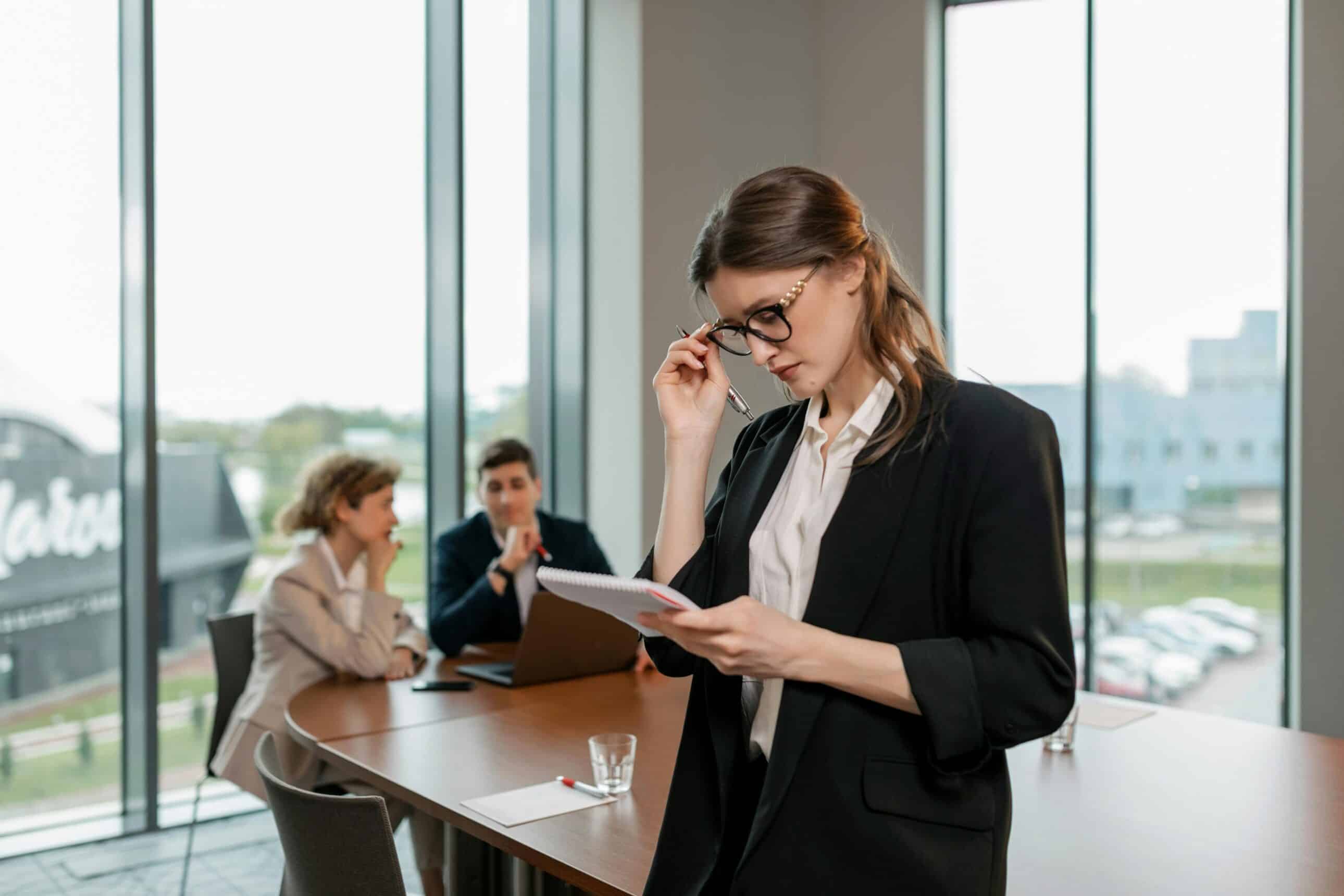
So how would our daily lives change? Just like during the pandemic lockdown, it could return massively smart working, since making it mandatory for two or three fixed days a week would significantly reduce travel, but above all there would be a clear cut in the use of energy consumption in large buildings.
As regards the use of cars, there could be the introduction of the use of alternate plates (if your car has an even number as its final license plate number, you will be able to drive on even days of the month, vice versa with odd ones). The objective is always one: to reduce the demand for petrol and diesel.
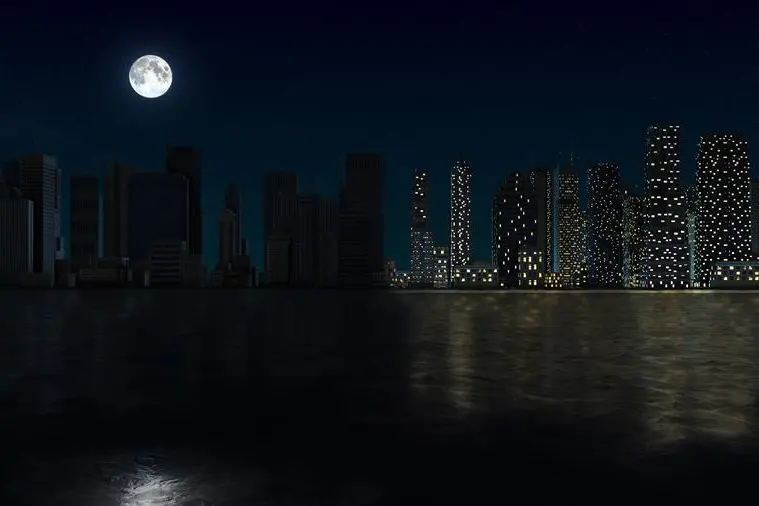
The limitations would also enter the homes of Italians. In fact, it is hypothesized that stricter controls will be carried out in this regard domestic temperatures, with a forced reduction in degrees (both for winter heating and summer air conditioning) and the hours of turning on radiators or air conditioners. Public lighting could also be affected by the cuts, leading to less lit streets at night to save money.
The Government is aware that with these measures – potentially necessary – people’s daily lives would change, weighing on the shoulders of citizens and businesses. This is why the Italian strategy, expressed by Prime Minister Meloni, aims at a coordinated European response. The objective is clear: treat the energy emergency with the same approach used for the pandemic, asking Brussels for a temporary suspension of the Stability Pact.
In other words? More flexibility in the state budget to allow direct aid and excise duty cuts, preventing the energy crisis from turning into an irreversible social crisis.