







Invest inartificial intelligencethe conquest of space or the cybersecurity has never seemed so simple. A few clicks are enough to access a “spatial” portfolio from 300 euroswith the promise of entering the most promising sectors of tomorrow. On social networks as among certain fintechs, these investments are presented as the new frontier of investment.
The craze is real. According to theFinancial Markets Authority (AMF)more than 1.1 million French people have carried out at least one transaction on a ETFs in 2025, an increase of 83% over a year. In five years, the number of investors in these media has increased almost five-fold. But in heritage, the fashion effect often costs more than the opportunity itself.
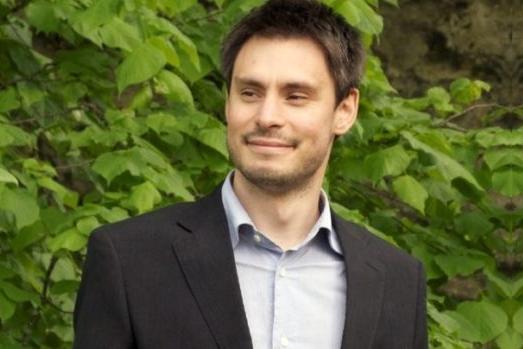
“A large unlisted company generally does not open its capital to 500 euros »recalls Mathieu Hachemkhani Mazlaghani, founder of Ferless-conseil.com and wealth management advisor. For him, the first question is not whether AI or space are sectors of the future, but to understand what we are really buying.
The trap of 100 euro entry tickets
Behind the same commercial discourse, the products offered can be very different: listed sharesunlisted, ETFs, specialized funds or club deals. “A listed stock, we know precisely at what value we are buying. On the unlisted side, the liquidity is not the same and we don’t always know how much we’re getting out.”underlines the expert.
However, many platforms highlight unlisted investments with low entry fees, sometimes from 100 euros. “If tomorrow a company tells you that you can invest in unlisted assets from 100 euros, you have to ask yourself questions. This doesn’t necessarily mean it’s bad, but you have to understand why access is so easy.he explains.
Another point often underestimated: costs. “Some structures take between 3% and 5% management fees per yearsometimes with an additional entry ticket. On 1,000 euros investedpart of it already leaves even before the slightest performance”underlines the advisor.
Spatial, AI: between real trend and marketing storytelling
Space perfectly illustrates this blurred border between real opportunity and powerful marketing. Between the ambitions of SpaceXthe program Artemis or the advances made by Sophie Adenotthe sector benefits from an extremely strong growth imagination.
“When we talk about high yields, what does that mean? For some, 5% it’s huge, for others 10% is insufficient. As long as there is no clear projection, it remains mainly marketing”estimates Mathieu Hachemkhani Mazlaghani.
However, these placements are not just about the announcement effect. “We, as wealth management advisors, already offer it throughETFs and investment funds. Many CGPs do it”he specifies. The fund Space Chess Boardlaunched by La Financière de l’Echiquierdisplayed for example more than 25% performance since January 1.
“Investing in space is not a bad idea, but devoting your entire portfolio to it remains a significant risk”he warns.
It’s not a question of age, but of method
These investments do not only appeal to young investors. “It’s not a question of generation. Some seek above all prudent investments, others accept more risk. It’s mostly a question of mentality.”observes the expert.
The danger also comes from a false sense of diversification. A Thematic ETFa Fintech portfolio and a specialized fund can sometimes contain the same values. In the event of a sector correction, the entire strategy can falter.
Before investing, several checks remain essential: check the number ORIAS and the status of the advisor, understand the fees, but also know how the investment is accommodated, life insurance, PEAsecurities account. “Understanding what we are investing in is the number one criterion. Then you have to understand how you invest”insists Mathieu Hachemkhani Mazlaghani.
Because in investment, innovation never replaces the basic rule: an attractive investment is not necessarily a good investment.


