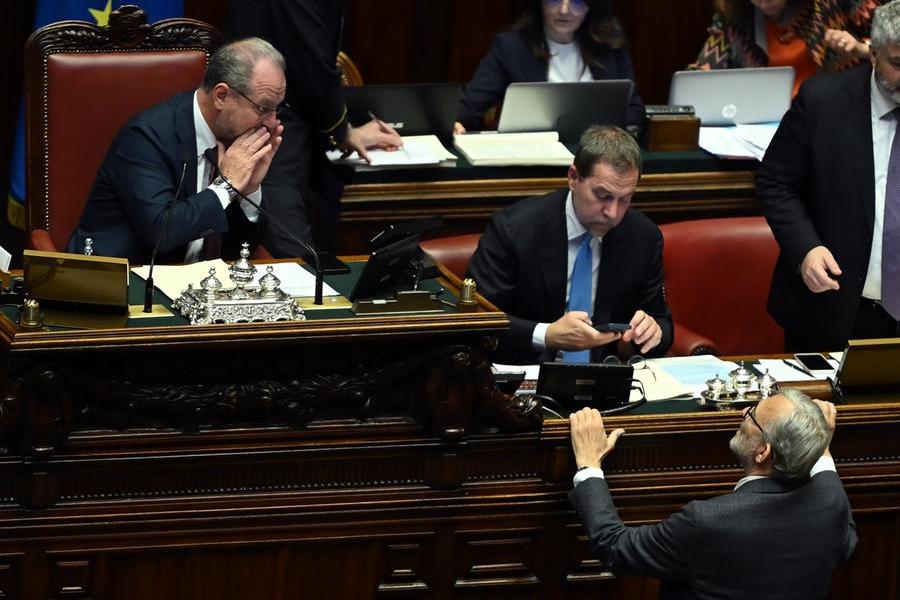





The British Parliament approved the Tobacco and Vapes Bill a bill which – having obtained the approval of the Crown – will prohibit people born on or after 1 January 2009 from purchasing tobacco throughout the United Kingdom. This is not a temporary increase in the legal age, but a mobile threshold that will make it impossible for new generations to buy cigarettes. The ban does not bring with it education to refuse smoking but it is certainly a start. And, despite some other weak points – it will be possible, for example, to continue smoking in one’s homes – this is an important turning point in the fight against smoking. The law, in fact, will also give ministers the power to regulate tobacco productssuch as electronic cigarettes and nicotine, and companies in the sector will not be able to advertise electronic cigarettes or products containing nicotine to minors. Furthermore, the smoking ban will be extended to public places such as playgrounds and outdoor areas of schools and hospitals, which will become smoke-free areas.
In Great Britain we are therefore moving towards the first generation free from smoking. The Secretary of State for Health and Social Care, Wes Streetingspoke of a “historic moment for the health of the nation”: “Prevention is better than cure: This reform will save lives, ease pressure on the NHS and help build a healthier Britain». The data are clear: in England alone, smoking causes 400,000 hospital admissions and 64,000 deaths per year, and costs the National Health Service 3 billion pounds in treatments for tobacco-related diseases, such as cancer and heart disease.
THE WHO CAMPAIGN
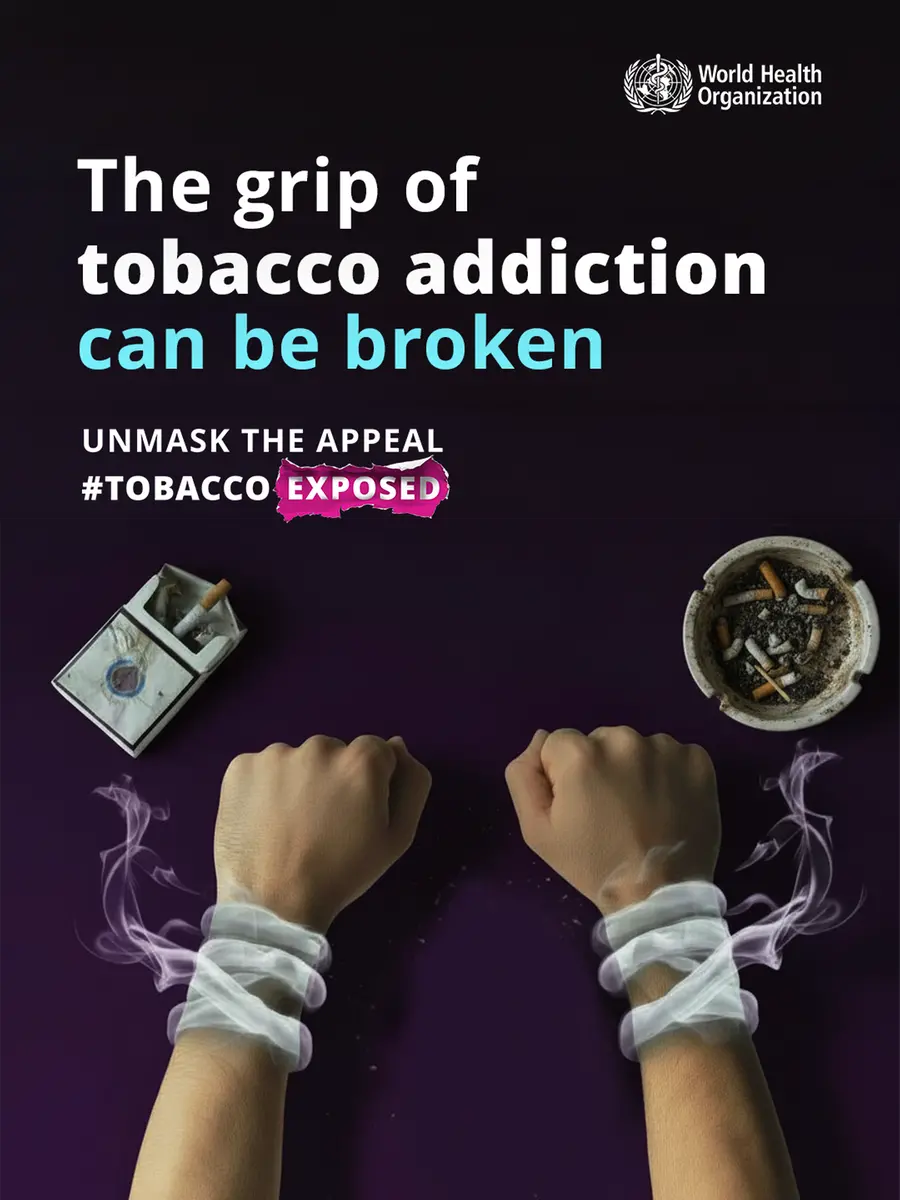
Meanwhile, the World Health Organization advances with the campaign Unmasking the appeal – countering nicotine and tobacco addictionliterally Unmasking the charm: combating nicotine and tobacco addiction, ahead of World No Tobacco Day 2026, scheduled for May 31st. The aim is to expose how the tobacco and nicotine industry is continuing to reinvent and repackage its deadly products to appeal to a new generation, particularly children and teenagers, while evading tougher tobacco control measures around the world. More than 40 million children aged 13 to 15 worldwide report using at least one tobacco product. Of these, 20 million smoke cigarettes and 10 million use smokeless tobacco. Additionally, at least 15 million adolescents aged 13 to 15 already use e-cigarettes. Data shows that kids are nine times more likely to vape than adults. «Young people are intentionally targeted. Flavors, attractive packaging and deceptive marketing are used to make highly addictive and harmful products appear trendy. The result is a cycle of addiction that threatens to undo years of progress in the fight against tobacco”, declared the head of the WHO No Tobacco unit, VM Prasad.
IN ITALY
The Higher Institute of Health estimates that in our country over 93,000 deaths are attributable to tobacco smoking each year (2023 data): for comparison, in 2020, 120,000 were attributed to the Covid-19 pandemic. In fact, approximately 50% of smokers die on average 14 years earlier than non-smokers and smokers are affected by precarious health conditions for many years throughout their lives. Alongside traditional cigarettes, experts are worried about new products including puff bars, the disposable cigarettes which have seen a boom in diffusion in recent years. A phenomenon that also affects the very young: in 2024 57.9% of children between 11 and 13 years old declared having used an electronic cigarette at least once in the last month.
In addition to health, the damage of smoking extends to the environment – just think of abandoned butts or water consumption: 3.7 liters to produce a cigarette – and to the state budget. Despite all this, in Italy we are stuck with the Sirchia law of 2005, which prohibited smoking in closed public places. More than 20 years have passed since then and, in the meantime, the European Union has set itself the goal of increasing the number of smokers from 25 to 5 percent of the population by 2040. A 2024 study by the Mario Negri Pharmacological Research Institute revealed broad support among Italians for more stringent anti-smoking regulations: it’s time to proceed with new rules that protect health, the environment and public finances.