





The concealer promises to erase traces of fatigue, but often ends up emphasizing them a few hours later. Good news, a micro-variation is enough to make a difference.
The same scenario comes up again and again: the concealer camouflages at first, then slips into creases, sticks to dry areas or disappears before the end of the afternoon. Behind the scenes, however, makeup artists work according to another application logic, much more effective.
In the majority of cases, the application follows a very similar pattern. The product is placed under the eye, then blended immediately. The rendering seems correct at first, but it then changes, sometimes from the first hours. And this process affects both light concealers and more covering formulas. The question is therefore not only about the product, but also about the way in which it is used.
In professional environments, makeup artists work under constraints of time, light and outfit. Their objective is not only the immediate result, but its stability. Certain stages are thus thought of differently. The observation is simple: a finish that marks the skin is not necessarily due to excess material. These variations are observed regardless of skin type and also concern correctors known for their balance.
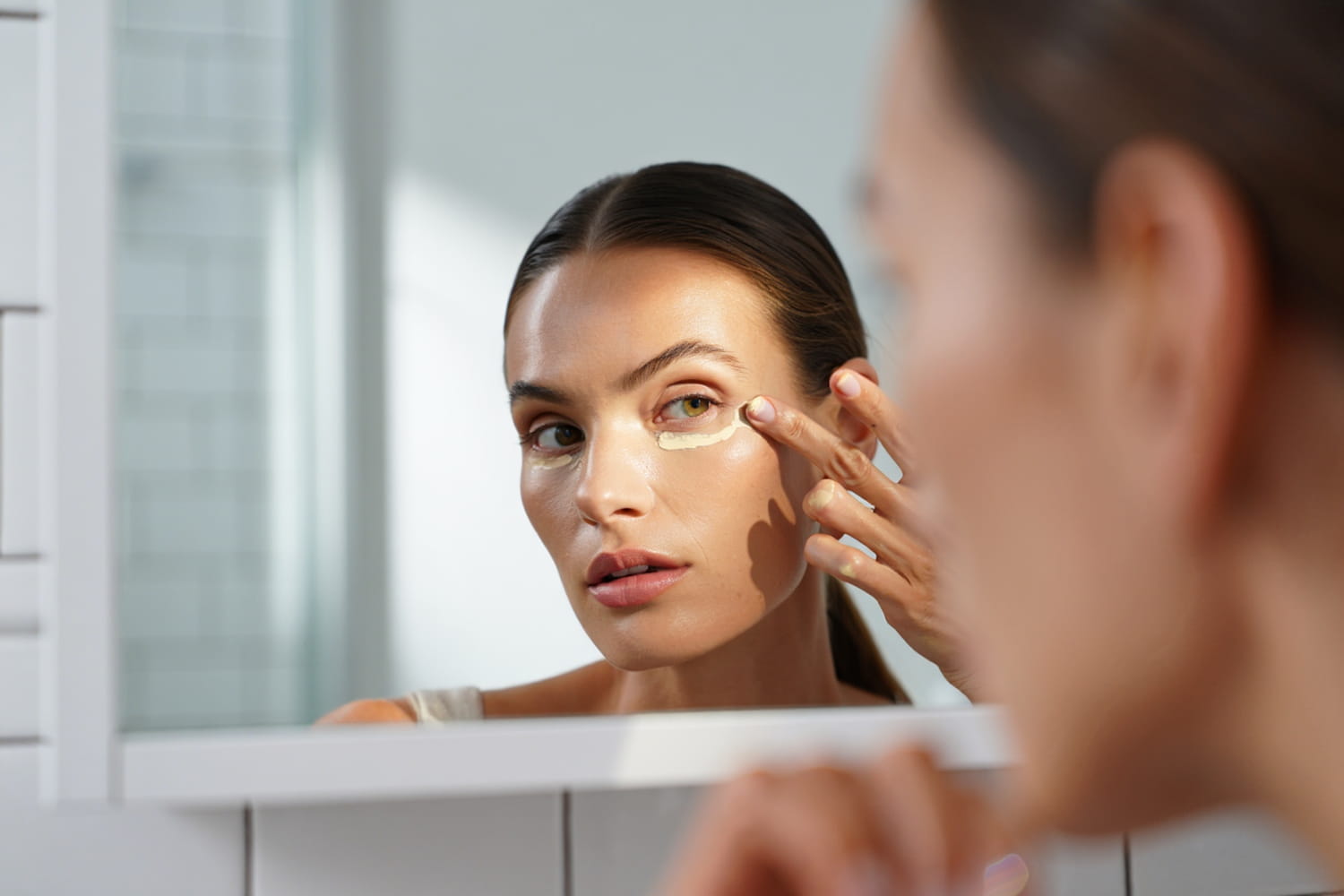
According to professional makeup artist Enya Sullivan, one of the keys is the pace of application. “Apply a small amount of your favorite concealer, roughly, under the inner and outer corner of the eye, without touching the lash line. Leave it to work and continue working on the rest of your face.” This waiting time changes the way the product then behaves on the skin. Once blended, it provides more stable and even coverage all day long.
And for those who want to go even further and maximize hold, Enya Sullivan advises: “Once this step is complete, use a puff with loose powder, taken and then wiped on the back of the hand or palm to remove the excess, and press it under the eye to obtain a flawless finish that lasts all day and night.”