




Herb gatherers, abbesses, midwives, midwives, nurses, crystallographers, researchers: women, from ancient times until today, have taken care of humanity, writing history, fighting fevers, viruses and bacteria of all kinds. The investigative book Plural Feminine Medicine – The knowledge of women in history (Bollati Boringhieri editore) by Daniela Minerva, journalist and essayist, director of the Salute platform, online and on newsstands with la Repubblica and La Stampa, talks about them.
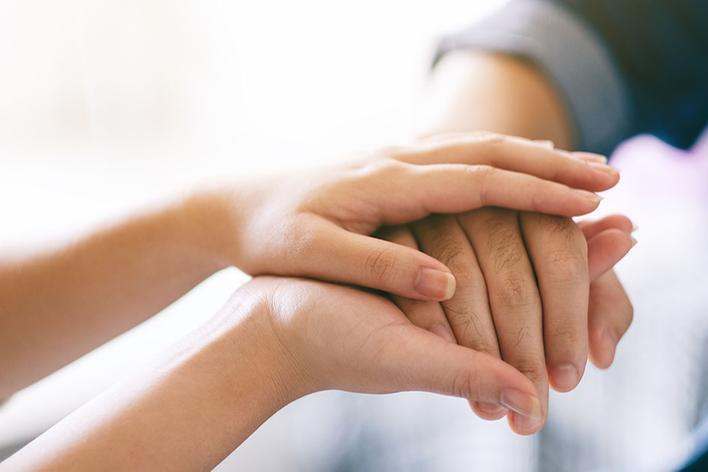
From angels of the hearth to angels in the ward, women have always cared, and continue to do so, often paying too high a price. «Women are there, have always been there, to take care of. Taking care of children, the elderly, the family. And even today, beyond the huge presence of female doctors in hospitals, in our homes those who care are women”, says Daniela Minerva. An innate quality, one might say instinctively, dictated by a typically feminine nurturing nature. «Not at all, there is nothing innate. It is a trait rooted in biology – women give birth to children, manage pregnancy and keep the fruit alive – and in history, since prehistory I would say. It then became the cultural baggage of female intelligence.”
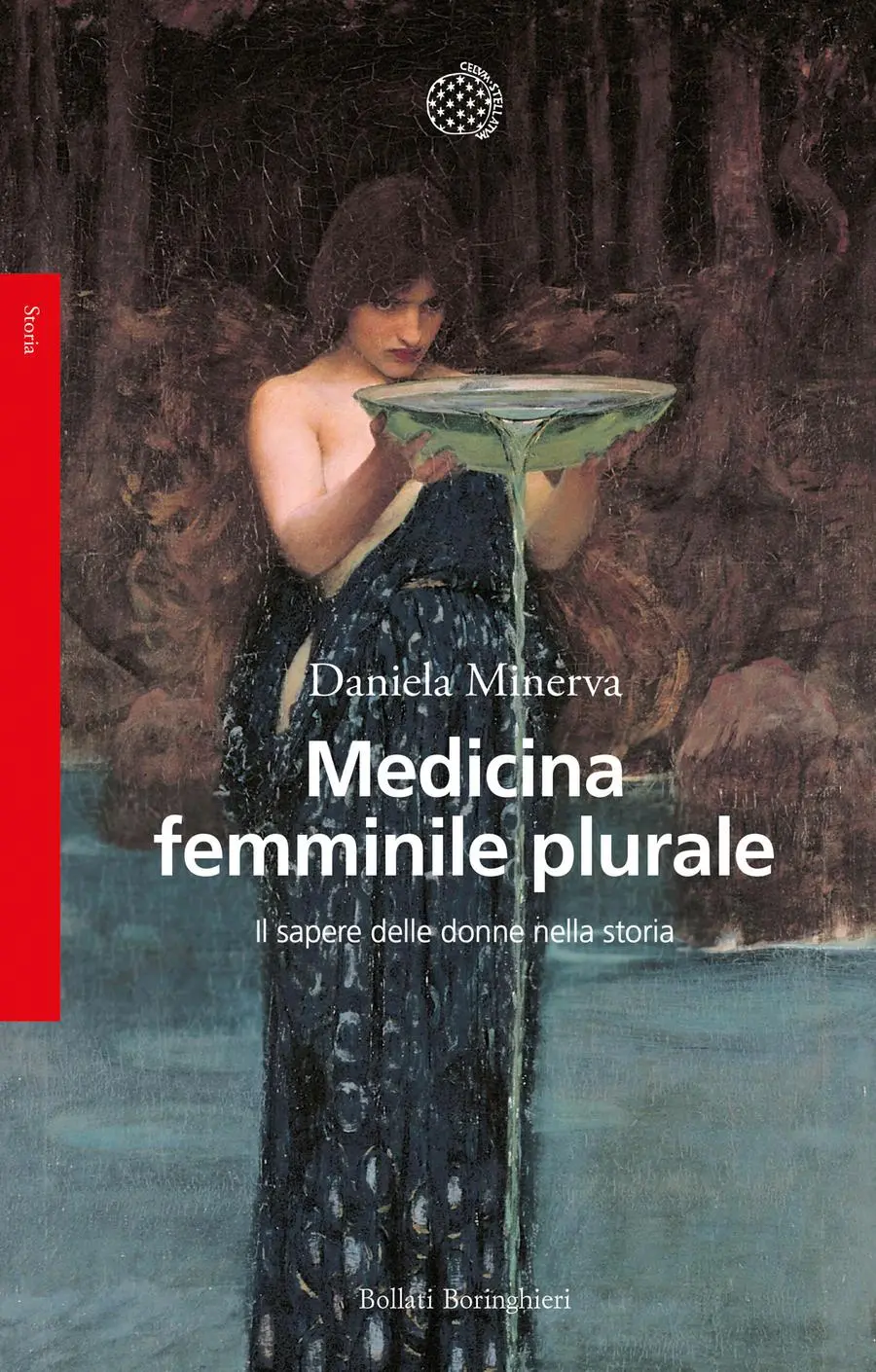
Plural female medicine. The knowledge of women in history (Bollati Boringhieri)
So the equation is not “we care because we are women” but rather “we are women therefore we care”. A stereotype to which the female population has adapted, but which over time has ended up transforming into a boomerang, ghettoizing women and considering them suitable to stay at the sick bed, but not to find therapeutic solutions and enter the control room of science. In fact, in that room there were – and still today, with rare exceptions, there are – men.
From the time of Hippocrates (4th century BC) to when, after millennia, universities were born, the places where knowledge is built are worlds without women. And it’s not right, if we think that the invention of public health in the West is owed precisely to a woman, Fabiola. A high-ranking widow, she belonged to a circle of Roman aristocrats devoted to Saint Jerome: in 390 AD the saint managed to transfer the care of the sick outside the homes. «Every time we enter the hospital we should thank Fabiola», continues the essayist. «But if we read the history of medicine carefully, we realize that there are so many female legacies that we can say that contemporary medicine, in all its forms, from industry to healthcare to science, has within itself an enormous amount of female intelligence».
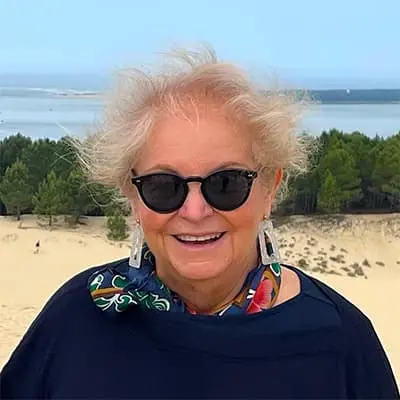
Daniela Minerva, author of Plural female medicine. The knowledge of women in history
The history of science was therefore not made by individual sublime minds that everyone remembers (from Marie Curie to Rita Levi Montalcini), but by women in their daily lives, first within the home and then in the laboratories. A choral undertaking, a genre of knowledge, which changed the world in silence.
And today where are the women of science, what do they do? They do a lot, they do everything, as usual: they study, take exams, do research, participate in competitions, take their children to school, treat them if they are at home with a fever, accompany the children to volleyball, then maybe back to the books in the evening. We are in the 21st century and that of women “having to work a hundred, a thousand times more than men to prove they are credible” is not just an old adage, but still a reality.
The percentage of female doctors in hospital departments has grown exponentially in recent years, making some specializations – such as oncology, for example – predominantly female. But if we look at the healthcare ruling class, there are very few women on the command bridge, both in hospitals and in pharmaceutical companies. «If we don’t free women from the burden of managing the family, making these tasks shared, we will never get out of this. They will always have to give up entire parts of their lives”, specifies Minerva. And Katalin Karikó, the Hungarian scientist who won the Nobel Prize in 2023 for the discovery of the mRna vaccine against Covid-19, knew it well. «During an interview», says the journalist, «she told me that when she met her boyfriend – her current husband – she immediately liked him a lot, but at the end of the evening she decided that they should no longer see each other. She wanted to be a scientist, she couldn’t afford to fall in love, maybe get married and start a family.” In that case the boy didn’t give up and the relationship worked great. But not all researchers are as lucky as Katalin.
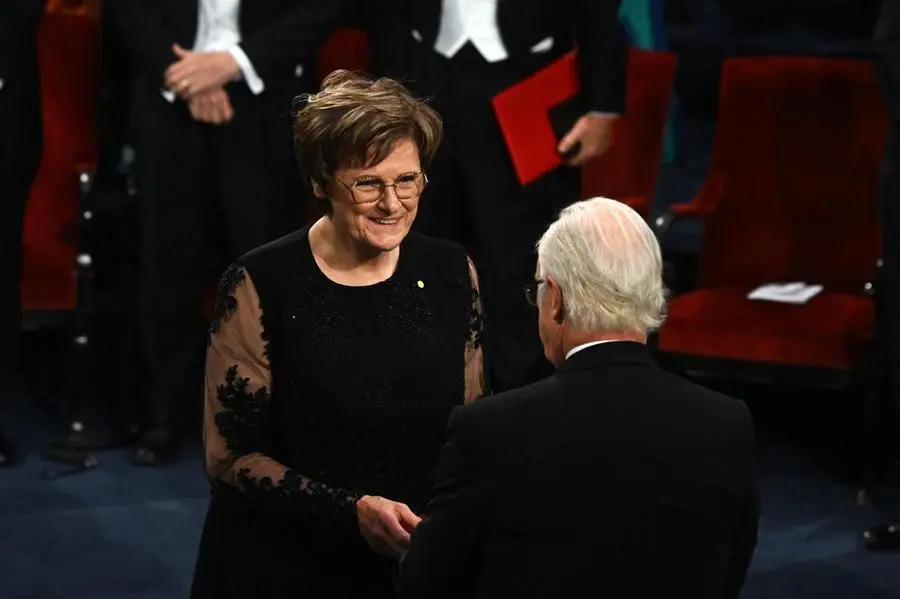
Hungarian biochemist Katalin Kariko receives the 2023 Nobel Prize in Physiology or Medicine from King Carl Gustaf of Sweden.
(EPA)
«It is a very strong social and political theme», concludes the author. «We want women to reach top levels, but not because we are demanding, but because I am convinced that only in this way will we have a fairer medicine, more capable of finding solutions for everyone».