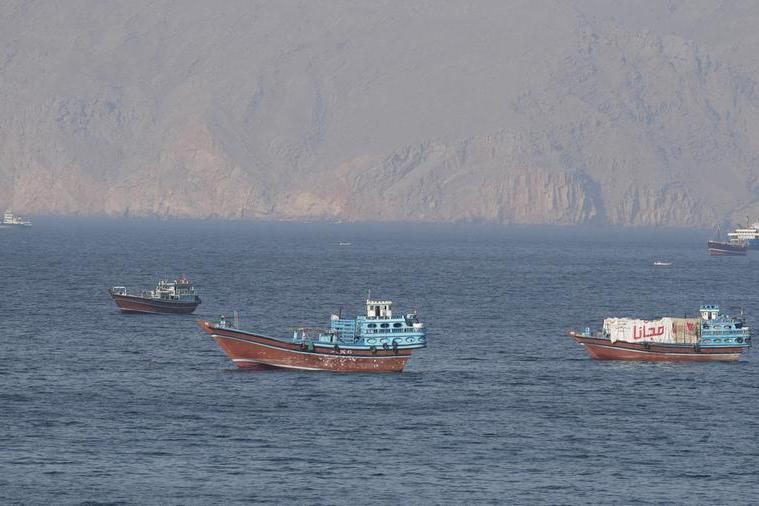





The reopening of the Strait of Hormuz, which had raised hopes of a turning point towards a peace agreement and given markets breathing space with the prospect of a normalization of maritime traffic after weeks of strong tensions, lasted just a few hours. After announcing the decision to reopen the Strait last Friday, less than a day later Tehran closed it again. The reason for the about-face: Iran’s reaction to the continuation of the US blockade on its ports, three days before the ceasefire between Washington and Tehran expired.
The news of the reopening had led to an immediate collapse in oil prices – remember that 20 percent of the world’s crude oil and liquefied natural gas (the latter almost entirely exported by Qatar and the United Arab Emirates) transited through the Strait – and on Saturday the movement had resumed and some cargo ships had managed to pass through the Strait. But with the new closure, three ships were shot at and threatened by Tehran. The Guardians of the Islamic Revolution (pasdaran) have issued a warning: any boat that approaches Hormuz will be targeted. The ship tracking website MarineTraffic indicates today that there are no ships transiting the Strait.
A new round of talks between the United States and Iran is expected on Monday 20th in Islamabad, Pakistan. But the peace negotiations are trudging along a decidedly uphill road – between moments of détente and new clashes, threats and mutual ultimatums – despite the optimistic declarations of Donald Trump who spoke in recent days of very short times for the definition of the agreement. For his part, the president of the Iranian Parliament Mohammad Bagher Ghalibaf admitted that the negotiations have made progress but that the final agreement is still far away.
Meanwhile, there was a turning point for the cruise ship MSC Euribia, which was stuck for a month and a half in the Persian Gulf due to the outbreak of war in Iran and the blockade of the Strait of Hormuz: the ship was finally able to leave Dubai, safely crossed the Strait and is on its way to Northern Europe. According to what was communicated, the transition was completed in close coordination with the competent authorities.
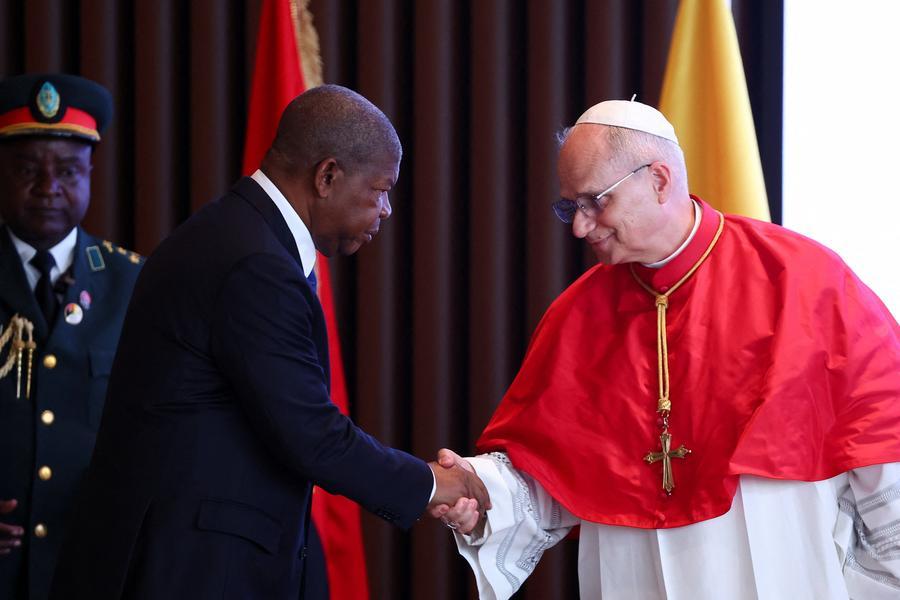
The reopening of the Strait of Hormuz and the need to guarantee freedom of navigation in the area were at the center of the Willing Summit which took place in Paris, where President Emmanuel Macron welcomed British Prime Minister Keir Stamer, German Chancellor Friederich Merz and Italian Prime Minister Giorgia Meloni.
“Reopening Hormuz means addressing the critical issues and building an essential element for any solution to the Middle Eastern conflict,” said Meloni at the end of the conference at the Elysée. “This summit shows that the EU can do its part.” The Prime Minister also declared that «Italy offers its willingness to make its naval units available on the basis of parliamentary authorization for what our constitutional rules are.” Two minehunter ships of the Italian Navy – boats specialized in searching for explosives in the seabed thanks to sonar – thanks to which they have already been prepared by the Defense and are ready to be sent for a possible mission to Hormuz.
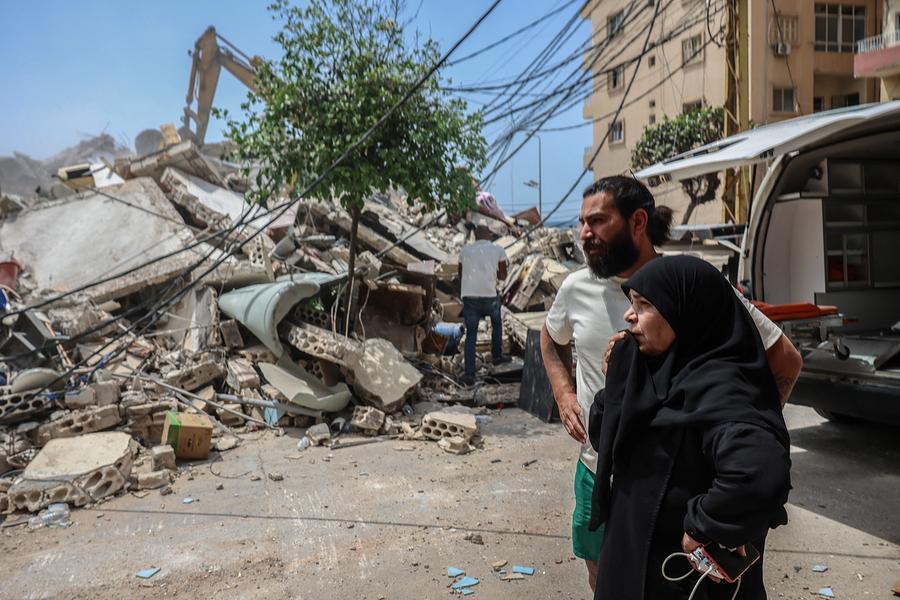
The Middle East continues to be set alight by violence and tensions. In Lebanon, the hopes raised by the truce with Israel suffered a heavy blow: yesterday a French sergeant from Unifil (United Nations Interim Force in Lebanon), Florian Montorio, 40 years old, on his last mission, was killed in an attack directed against peacekeepers in the south of the country, carried out by an unidentified armed group presumably part of Hezbollah, although the Lebanese Shiite party denied involvement in the attack which violated the ceasefire. he was on his last mission, Three other French soldiers were wounded.