




The United States and Iran would be close to an agreement to extend the ceasefire in force since April by 60 days, thus opening a decisive negotiating window on the Iranian nuclear program, on the future of American sanctions and on the reopening of the Strait of Hormuzthe strategic maritime passage through which approximately one fifth of the world’s oil passes. According to concordant rumors reported by various international media, the announcement could arrive in the next few hours.
The progress was first reported by the Financial Timesciting diplomatic sources according to which “the agreement is in the hands of the Americans for review” and Tehran would be ready for broader concessions on nuclear power, but only within the framework of a stable truce. Also Reuters confirms that the negotiations have made “encouraging progress” and that the memorandum of understanding under discussion would be “comprehensive enough” to pave the way for the end of the war.
The role of Pakistan and regional diplomacy
At the center of the mediation is Pakistan. Pakistani army chief Field Marshal Asim Munir spent Friday and Saturday in Tehran meeting with Iranian leaders. Islamabad has become the main channel of communication between Washington and Tehran after weeks of military escalation and naval tensions in the Persian Gulf. Qatar, Saudi Arabia, the United Arab Emirates, Egypt and Türkiye are also participating in diplomatic efforts to avoid a resumption of hostilities. In the evening, Donald Trump had a video conference with several leaders of the region to discuss the framework of the agreement.
The central node remains the Strait of Hormuz. In recent months, tensions between Iran and the United States have drastically reduced commercial traffic in the area, causing severe turbulence on energy markets. The draft agreement would provide for a gradual reopening of the Strait by Iran, while Washington would ease the blockade on Iranian ports and grant an initial easing of economic sanctions.
The nuclear dossier
Significant openings are emerging on the nuclear front. According to the Saudi broadcaster al-Arabiya, Tehran has proposed to suspend the enrichment of uranium above 3.6% for ten years, to dilute stocks enriched above 20% on national territory and to allow new international checks. In exchange he would ask for the release of Iranian funds frozen abroad and a progressive lifting of sanctions.
The spokesperson of the Iranian Foreign Ministry, Esmail Baghaei, confirmed that a “memorandum of understanding” is being finalized which should be followed by a 30-60 day period to negotiate the details of a broader agreement. “We are at the same time very close and very far from an agreement,” he declared, summarizing the fragility of the diplomatic moment.
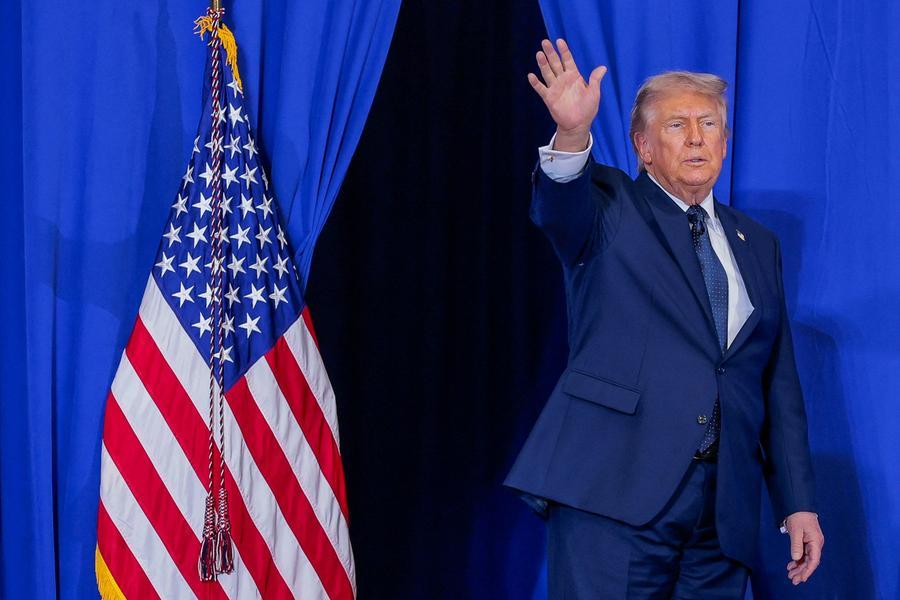
However, Washington continues to ask for stringent guarantees that Iran cannot acquire a nuclear weapon. In an interview with CBSTrump declared that he will sign an agreement “only if we get everything we want”, adding however that negotiators are “making considerable progress”.
Trump between threats and overtures
As often happens, the American president’s language oscillates between diplomacy and threat. On the one hand, Trump speaks of “significant progress”, on the other he warns that, without a good agreement, the United States could “blow everything to smithereens”. He assured the Israeli media that he will not accept any agreement that is “not advantageous for Israel”.
Second Axiosthe American president remained in constant contact with the Israeli prime minister Benjamin Netanyahuwho brought together the security cabinet in the last few hours. Even in Israel the debate appears open: a part of the establishment would prefer to consolidate the truce, while others continue to believe a new military phase against Tehran is inevitable.
A fragile but decisive truce
Despite the climate of apparent openness, the negotiations remain extremely delicate. Iran continues to reiterate that it does not want to completely give up its civil nuclear program and threatens a “much more severe” response in the event of new American attacks. Washington also keeps the military option on the table.
However, after months of war, the risk of a further global energy shock e diplomatic pressure from the Gulf countries seems to push both parties towards a temporary compromise. If the extension of the truce is confirmed, the next two months could become the most important test to verify whether the United States and Iran are really ready to move away from the logic of permanent confrontation.