






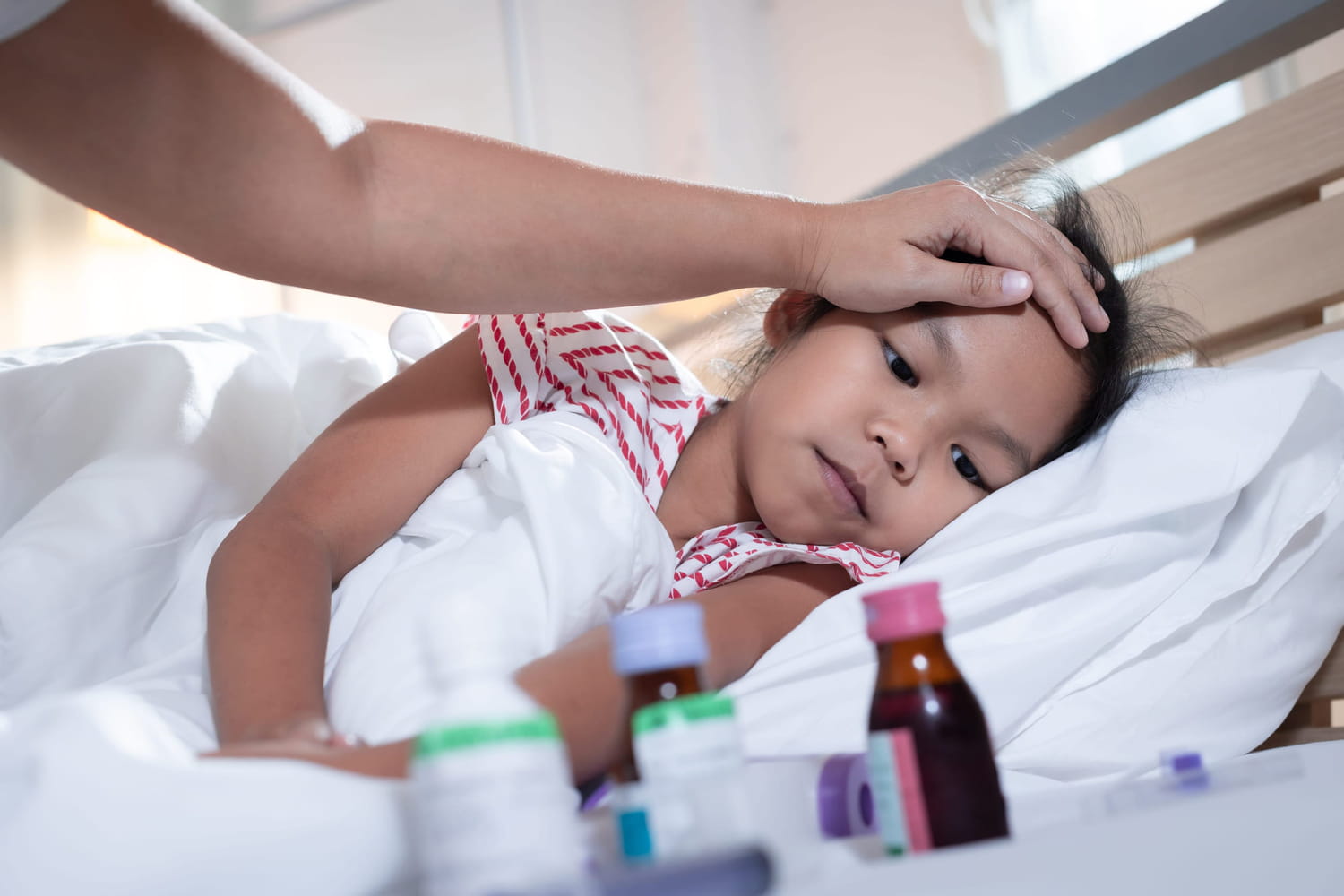
The parental presence allowance (AJPP) provides financial support to parents who have to stop working to care for a child who is seriously ill, disabled or the victim of a serious accident. Here is everything you need to know about this aid in 2026.
When a child is affected by a serious illness, disability or accident, he or she often needs extensive care and the constant presence of a parent. To allow families to stay with their child without completely losing income, thedaily parental presence allowance (AJPP) can be paid. This financial assistance compensates for missed work days, up to a certain limit.
How much is the AJPP?
The amount of the daily parental attendance allowance is fixed, regardless of the parents’ income. In 2026it amounts to 33.32 euros for half a day and 66.64 euros for a day. The aid can be paid to both parents at the same time or in turn.
Depending on your child’s state of health, a monthly supplement of 129.36 euros is granted, particularly if the situation results in expenses (not reimbursed by Social Security or your mutual insurance company). Unlike the fixed allowance, this supplement depends on the parents’ income. To reach it in 2026, 2024 resources must not exceed these ceilings:
| Number of children | Couple with one income | Single parent or couple with 2 incomes |
|---|---|---|
| 1 | 31,066 euros | 41,055 euros |
| 2 | 37,279 euros | 47,268 euros |
| 3 | 44,735 euros | 54,724 euros |
| 4 | 52,191 euros | 62,180 euros |
| Per additional child | 7,456 euros | |
How long does the parental presence allowance last?
The AJPP is paid for a maximum of 310 days over a period of three years, for renewable periods of six to twelve months, with a limit of 22 days per month. This applies per child and per pathology. If the child develops a new pathology during this three-year period, the parents can therefore request to benefit from 310 additional days of AJPP. It is also possible to request an exceptional renewal for the same pathology, in the event of a relapse or recurrence for example.
What are the conditions for receiving the AJPP?
To benefit from the AJPP, you must interrupt or reduce your activity to stay with your child. This assistance concerns employees on parental leave, but also self-employed workers, compensated job seekers, home-based employees and even people in paid training.
The attribution of the AJPP also depends mainly on the child’s health. A doctor must draw up a medical certificate specifying the seriousness of the situation, the need for constant parental presence and the expected duration of care. This document must be sent to your health insurance fund, under confidential cover. The file is then examined by the Health Insurance medical service. The child must be under 20 years old and dependent on youAnd “needing sustained presence and restrictive care following an illness or disability or an accident of particular seriousness”.
If you wish to take parental leave, you must notify your employer at least 15 days before the start. This is happening by registered letter or hand delivery against discharge. You must attach a medical certificate which confirms the seriousness of your child’s situation and the need for your presence. For each day of absence, you must then notify your employer 48 hours in advance. If the leave must be extended beyond the period indicated in the medical certificate, the procedure is the same as for the first request. At the end of the leave, you have the right to return to your position or an equivalent job with the same salary.
What steps should I take to obtain the AJPP?
To receive the daily parental presence allowance, you must first request parental presence leave from your employer. Then, download the form directly from the CAF website, and complete it with your child’s doctor, attaching a medical certificate. Send everything to your Family Allowance Fund and don’t forget to add, if necessary, documents related to a change in situation (birth, marriage, etc.).
- Daily parental presence allowance (AJPP). Service-public.fr website: https://www.service-public.fr/particuliers/vosdroits/F15132