





The Paraclete, breath of God in the hearts of the disciples
In the intimate atmosphere of the Last Supper, the Gospel of John shows us Jesus speaking to his followers as one who entrusts a will. He knows that the time of his visible presence is coming to an end, and with words full of tenderness he prepares his disciples for what is to come. But they are not words of farewell: they are words of promise. His presence will not end, it will only change shape. Jesus starts from what is most essential: the relationship with him. “If you love me, you will keep my commandments.”
It is not the language of duty, but that of love. Jesus does not ask for cold obedience; his commandments are a gift, the way to learn to love as he loved. Guarding them means protect the flame of his lovehow a small light wakes up so that it continues to illuminate the night. To those who experience this bond, he makes a surprising promise: “I will pray to the Father and he will give you another Paraclete”. The term indicates someone called to support, to defend like a lawyer who accompanies someone who has to face a difficult test.
In the Gospel of John, the life of Jesus often appears as a great trial in which the world seems to judge and reject his truth. The disciples are also involved in that same tension. This is why Jesus promises the Spirit who will guide them to the truth. Jesus calls him “another” Paraclete, because he himself was the first. During his earthly life he was guide, defense and consolation. He supported them in difficult times. Now, however, it announces something even bigger.
Until that moment, his presence was “with” the disciples; after Easter, it will be “inside” them. And this is the heart of the change. A teacher speaks from the outside, instructs, encourages, corrects; but it cannot transform from within. The Spirit instead illuminates the mind and heartmakes understandable what previously seemed obscure, transforms the way of seeing and living. It is as if Jesus said: I have sown the Gospel in your life, but it will be the Spirit who will make it germinate. This is why he promises: “I will not leave you orphans.” His departure does not mean abandonment; it’s like the setting of the sun, which disappears on the horizon but continues to spread its light. Thus the Resurrection does not distance Jesus from his followers, but inaugurates a new and deeper presence.
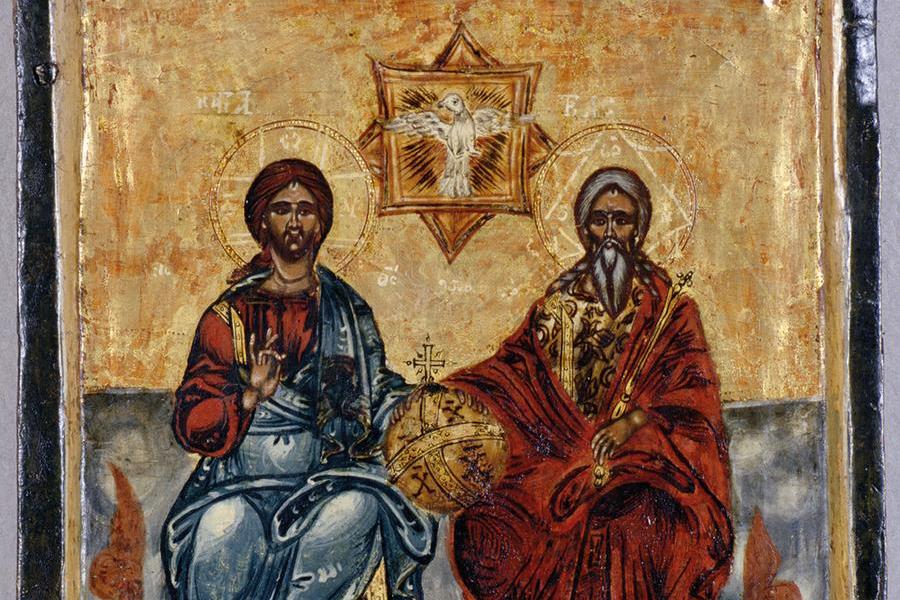
The world will no longer see him with the eyes of the body, but the disciples will recognize him, because his life will become theirs. Jesus summarizes everything with words that resonate like a center of light: “I am in the Father, you in me and I in you”. It is no longer just about the closeness between master and disciple: it is a communion of life. Thus the life of God flows in the hearts of believers, introducing them into the communion of love between the Father, the Son and the Spirit.
The condition is to safeguard the gift of Jesus. “Whoever receives my commandments and observes them is the one who loves me.” The extraordinary happens in those who love: «Whoever loves me will be loved by my Father and I will love it too and I will reveal myself to him.” God’s love does not remain one-way; he who loves enters into a movement of reciprocity and revelation.
Jesus does not leave his followers only words or memories, but the gift of the Spirit: a living presence that continues his work, enlightens, consoles, guides to the whole truth. Like the wind that cannot be seen but fills the sails and pushes the boat out to sea, so is the Spirit accompanies the path of the disciples, leading them into the very heart of God.