





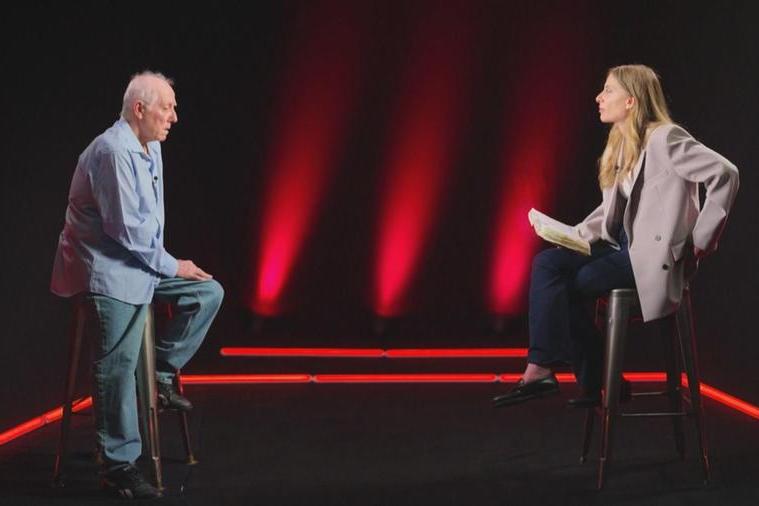
Now that crime on TV is everywhere, too Beasts it is tinged with black. The spin-off, the offshoot of the Rai 2 program created and hosted by Francesca Fagnanimade his debut last year with the controversial interview with Massimo Bossettidefinitively convicted for the murder of Yara Gambirasio. Now Beast Crime does an encore, bringing into prime time, into the homes of millions of Italians, the disturbing face of Roberto Savithe head of a real criminal organization – the “White One gang” – which between 1987 and 1994 committed more than one hundred crimes, causing 24 victims and injuring 115 people.
What is the meaning of this “mediatization” of heinous criminals, whose crimes have been confirmed by definitive judgments? It was the question we already asked ourselves about Bossetti, and which is now back in the news. Let’s try to explain the reasons on the media level.
Beast Crime started again with a formula that takes us exactly back to the original program: three interviews – we start from Katharina Miroslawa“the mantis of Parma”, condemned for the murder of her lover Carlo Mazza, continues with Savi and ends with Rina Bussonethe Roman robber witness in the trial for the murder of drug ultra Fabrizio Piscitelli known as Diabolik, accompanied by the now iconic elements of the program, from the “total black” scenography to the red notebook with the presenter’s notes. The underlying question is one: is this the right context to revisit atrocious crimes, which are so many open wounds for the relatives of the victims, the latter mostly forgotten? In short, interviewing a serial murderer is not the same as chatting with Amanda Lear or Cristiano Malgioglio. And yet – and this is what is most jarring Beast Crime – the formula is exactly the same, offered, moreover, by the public service.
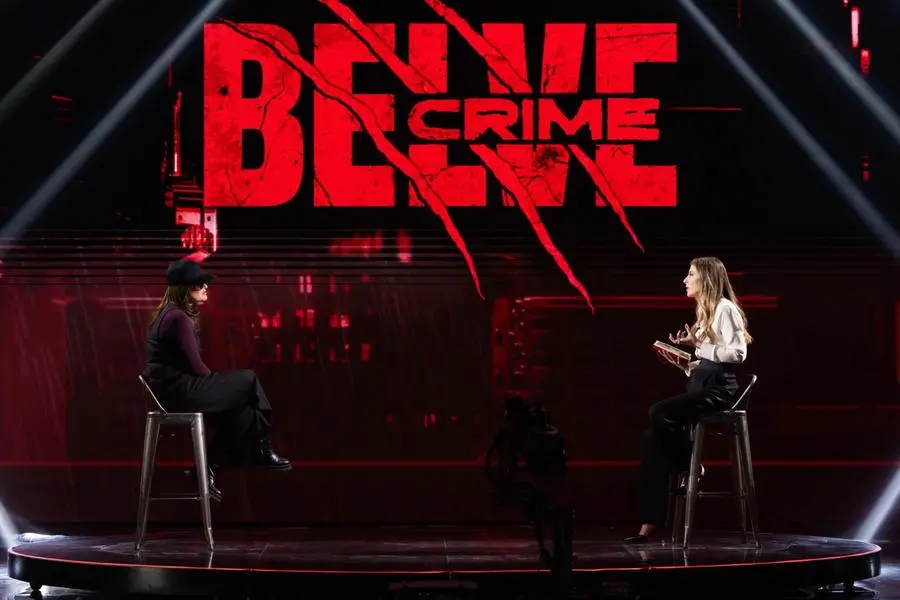
Francesca Fagnani brought the program to success thanks to two ingredients: the intense cross-examination and the irony. They are ingredients that struggle to fit many of these dark characters.
In the interview with Miroslawa these limits are evident. In terms of close comparison, it seems that three levels of judgment are not enough. After the Supreme Court there is the judgment of the media, the one to which the guests who are interviewed want to appeal. From their point of view they try to call themselves innocent, like Miroslawa does. But it doesn’t stay like this the bitter feeling that TV lends itself to “humanizing” and justifying even murder? As for the irony, which sometimes surfaces (“ah, would she have been naive?”), it is mostly out of place, given the themes. It’s all a matter of context, then: yes Franca Leosini he interviewed criminals, but here the risk is to “belvise” them, therefore to mitigate their crime. And, in addition to the fact that it is Rai, a public service, we also know very well that these fragments of interviews, then completely de-contextualized, travel today, free and “without a network”, on social media.
The interview with Roberto Savi, however, makes a leap in quality. Here the close comparison seems useless, the interviewee is more reticent than talkative, he insinuates more than reveals. Irony is clearly out of the question. But something happens that brings us back to the most discussed case of “true crime”, the Garlasco crime.
In the matter relating to the death of Chiara Poggi the media went well beyond the role of witnesses: they became actors in the reopening of the case. Savi’s half-statements, thirty years after the arrest, thus bring the case back to the Prosecutor’s Office: do those disturbing “cover-ups” mentioned by the interviewee really exist? If so, why didn’t Savi talk about it with the magistrates? Of course, Fagnani nailed the news perfectly. But that sensation of instrumental use of TV appears here – as in the case of Bossetti – more disheartening than reassuring.